
Lameness Evaluation
Find the Source. Fix the Problem.
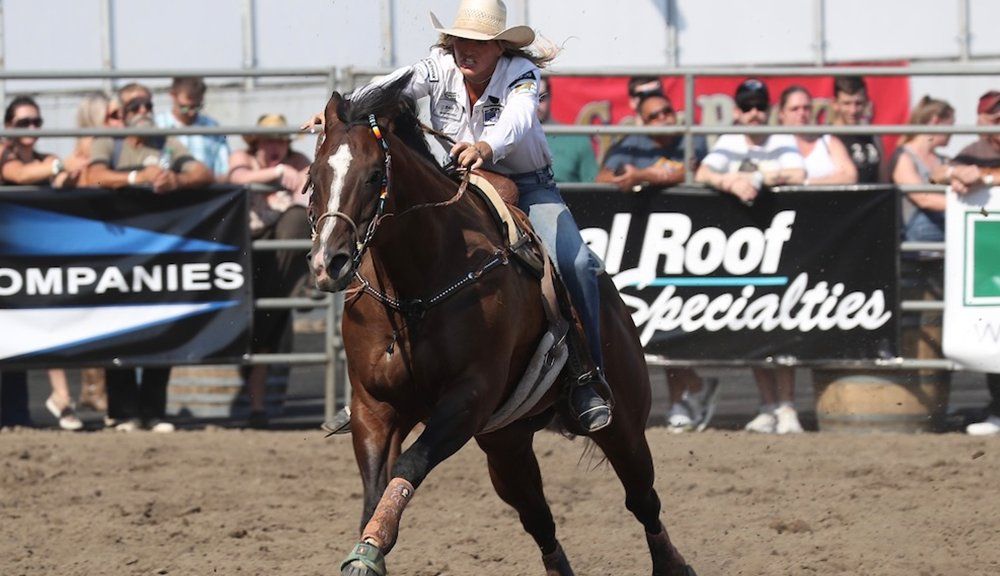
Lameness is the leading cause of lost training and competition time in performance horses. Lone Star Animal Hospital uses systematic examination and technology-driven diagnostics to identify the source — so you can make confident treatment decisions.
How We Evaluate Lameness
A lameness workup is methodical, not guesswork. Each step builds on the last to isolate the source of pain or dysfunction with precision.
Visual Gait Assessment
Dr. Alvarez observes the horse moving in a straight line and on circles at walk, trot, and (when appropriate) canter. He looks for head-bobbing, hip hike, stride shortening, toe-dragging, and subtle asymmetries that indicate pain or mechanical restriction in one or more limbs.
Hands-On Palpation
Systematic palpation of each limb — from the hoof to the shoulder or hip — identifies heat, swelling, sensitivity, and joint effusion. Hoof testers are applied to assess solar and heel pain consistent with navicular disease, laminitis, sole bruising, or abscess.
Flexion Tests
Flexion tests place sustained pressure on specific joints before asking the horse to trot off. An increase in lameness after flexion narrows the region of interest and guides the decision to perform diagnostic nerve or joint blocks.
Advanced Diagnostics
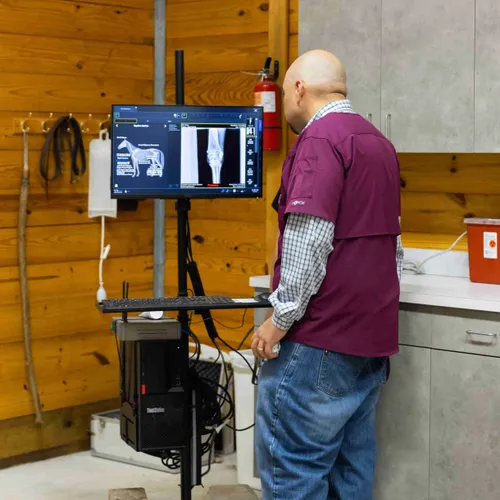
Technology confirms what the hands find. Objective data protects you from costly treatment decisions made on incomplete information.
SLEIP Sensor-Based Gait Analysis
SLEIP places inertial sensors on the poll, withers, and pelvis to measure movement asymmetry at trot with millimeter-level precision. Unlike visual assessment alone, SLEIP quantifies the degree of lameness in each limb and creates a repeatable baseline for monitoring recovery over time. It is particularly valuable for subtle lameness, multi-limb lameness, and post-treatment follow-up.
Diagnostic Nerve & Joint Blocks
When a region of interest is identified, local anesthetic is injected around specific nerves or into specific joints to temporarily desensitize the area. If the horse moves significantly better after blocking, the blocked region is confirmed as the source of pain. Blocking continues proximally until the lameness is eliminated or the primary source is isolated.
Digital Radiography (X-Ray)
Digital X-ray provides immediate, high-resolution images of bony structures — joint space narrowing, coffin bone rotation, navicular bone changes, fractures, and degenerative joint disease. We have portable digital radiography available for both in-clinic and farm call evaluations.
Musculoskeletal Ultrasound
Ultrasound allows real-time visualization of tendons, ligaments, and joint capsules — the soft tissues that X-ray cannot image. It is essential for diagnosing suspensory desmitis, SDFT and DDFT injuries, fetlock annular ligament thickening, and deep digital flexor tendinopathy within the hoof capsule.
Conditions We Diagnose & Treat
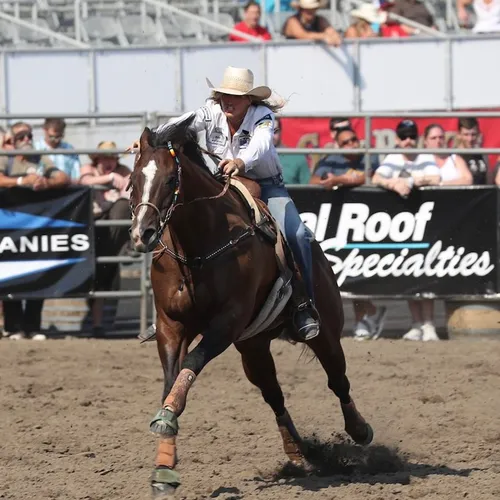
Lameness in sport horses most commonly originates in the foot, fetlock, and hock — but the full spectrum includes:
Questions
Lameness FAQ
My horse isn't obviously lame — should I still have an evaluation?
Yes. Many performance-limiting issues show up as subtle asymmetry — resistance to lateral movements, unwillingness to pick up a lead, or reduced impulsion in one direction — long before they cause obvious head-bobbing lameness. Catching soft-tissue injuries early dramatically improves healing outcomes and return-to-work timelines.
How long does a lameness evaluation take?
A thorough lameness workup typically takes 1–2 hours depending on complexity. If the source is straightforward (e.g., an obvious hoof abscess), the exam may be shorter. Multi-limb evaluations with full imaging take longer. We do not rush — accurate diagnosis is worth the time.
Can lameness be evaluated on a farm call?
Yes. Dr. Alvarez brings portable digital radiography and ultrasound on farm calls, and SLEIP sensor-based gait analysis can be performed on any flat surface. Complex cases may benefit from evaluation at our clinic, where lighting and footing are controlled.
What is the cost of a lameness evaluation?
Cost depends on the extent of the workup — number of nerve blocks performed, imaging required, and whether the evaluation is at the clinic or a farm call. We discuss scope and cost before proceeding so there are no surprises. Call (936) 220-1352 for a general estimate.
Schedule a Lameness Evaluation
Serving Montgomery, Conroe, The Woodlands, Houston, Katy, Huntsville, and surrounding areas.
Call (936) 220-1352 or fill out our contact form.
Reach out to us
Have questions? Feel free to visit us or give us a call. We're here to help!
Email us
Call us
Hours
Monday - Friday from 8:00AM - 5:00PM
Follow us
@lonestarequinesportsmedicine
Address
14920 FM-2854, Montgomery, TX 77316