
Preventive Care
Healthy Horses Perform Better
Consistent preventive care is the foundation of a long, sound athletic career. Lone Star Animal Hospital offers comprehensive wellness programs for performance horses and pleasure horses throughout Montgomery County and the greater Houston area.
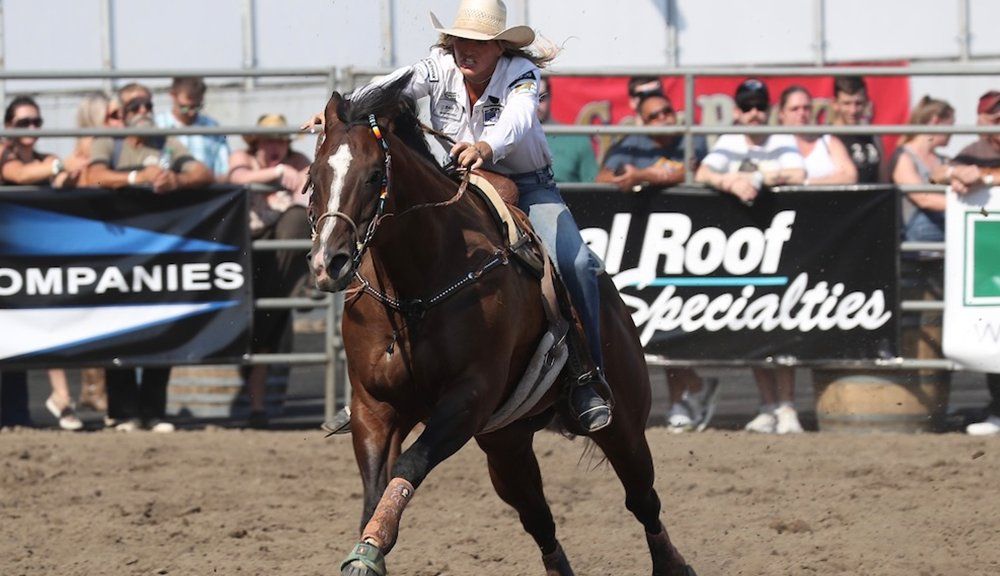
Annual Wellness Services
Annual exams catch problems early, keep your horse legally travel-ready, and give you a documented health baseline — invaluable for insurance, competition, and future care decisions.
Annual Physical Examination
A thorough physical exam covers cardiovascular and respiratory systems, eyes, skin, musculoskeletal soundness, and body condition scoring. For performance horses, we integrate a baseline lameness assessment and gait observation to catch early changes before they become injuries.
Coggins Test (EIA)
The Coggins test is required annually in Texas for any horse traveling across county or state lines, attending competitions, or changing ownership. We draw blood at your annual wellness exam or farm call and submit to a certified lab. Electronic results are provided.
Vaccination Programs
Texas horses face unique disease risks including West Nile Virus, Eastern and Western Equine Encephalomyelitis, Tetanus, and Rabies — all AAEP core vaccines. Depending on your horse's lifestyle, travel, and exposure risk, we customize a booster schedule that may include Influenza, Rhinopneumonitis (EHV-1/4), Strangles, and Botulism.
Parasite Control & Fecal Egg Counts
Blanket deworming protocols are no longer recommended. We use fecal egg count monitoring to identify your horse's parasite shedding status (low, moderate, or high), then target deworming to horses that actually need it — preserving the efficacy of available anthelmintics and reducing unnecessary drug load.
Equine Dentistry
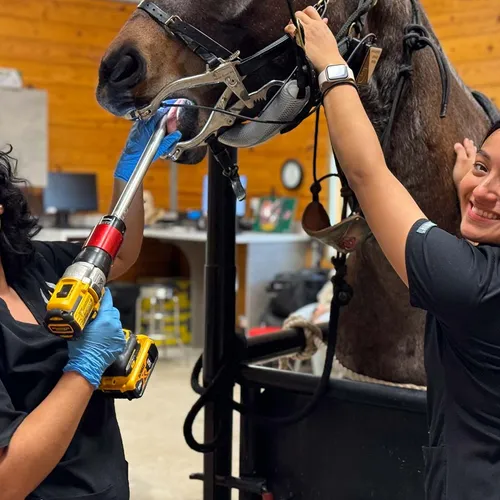
Dental health directly affects performance, weight maintenance, and quality of life. Most horses benefit from dental exams every 6–12 months depending on age and prior dental history.
Oral Examination & Dental Float
Horses develop sharp enamel points, hooks, ramps, and wave mouth as teeth wear unevenly. Power floating under light sedation smooths these irregularities, improves bit contact, and restores comfortable lateral chewing motion. We perform a full oral exam first — evaluating wolf teeth, retained caps, fractured cheek teeth, and periodontal disease — before any floating.
Wolf Tooth Extraction
Wolf teeth (first premolars) in the path of the bit cause pain and behavioral issues in many horses. Extraction is a straightforward procedure performed under sedation. Most horses return to normal bitting within a week.
Senior Horse Dental Care
Horses over 20 often develop smooth mouth (worn-down incisors and molars) and loose teeth that impair chewing efficiency and lead to weight loss. We assess dental aging, design an appropriate floating schedule, and advise on feed management strategies for horses with compromised dentition.
Nutritional Counseling & Senior Care
Performance Nutrition
Diet composition, forage quality, and supplementation directly impact a sport horse's energy, recovery, and musculoskeletal health. Dr. Alvarez provides nutritional guidance tailored to your horse's workload, metabolic status (including PPID/Cushings and EMS horses), and body condition goals.
Senior Horse Care
Horses over 15 benefit from twice-yearly exams to monitor weight, dental status, joint health, and PPID screening (Cushings disease). We help owners manage the unique challenges of caring for aging horses — from feed adjustments to pain management and end-of-life planning.
Questions
Preventive Care FAQ
How often should my horse have a wellness exam?
Annual exams are appropriate for most adult horses in moderate work. Performance horses in active training — especially those competing, traveling, or in contact with other horses — benefit from semi-annual wellness checks and more frequent lameness monitoring. Senior horses (15+) should be seen twice yearly.
What vaccines does my horse need in Texas?
AAEP core vaccines for Texas horses include Eastern/Western Equine Encephalomyelitis, Tetanus, West Nile Virus, and Rabies. Risk-based vaccines include Equine Influenza, Rhinopneumonitis (EHV-1/4), Strangles, and Botulism. Dr. Alvarez will recommend a schedule based on your horse's exposure, travel, and competition history.
How often should I have my horse's teeth floated?
Most horses benefit from an annual dental exam and float. Young horses (2–5 years, shedding caps) and senior horses often need more frequent attention. Signs that your horse needs dental care now: dropping feed (quidding), weight loss, resistance at the bit, head tilting while eating, or foul breath.
Do you offer wellness care on farm calls?
Yes. Dr. Alvarez performs annual exams, vaccinations, Coggins draws, dental floats, and fecal testing on farm calls throughout the greater Houston area. Contact us to schedule a farm visit.
Schedule Your Horse's Wellness Exam
Serving Montgomery, Conroe, The Woodlands, Houston, Katy, Huntsville, and surrounding Texas areas.
Call (936) 220-1352 to schedule.
Reach out to us
Have questions? Feel free to visit us or give us a call. We're here to help!
Email us
Call us
Hours
Monday - Friday from 8:00AM - 5:00PM
Follow us
@lonestarequinesportsmedicine
Address
14920 FM-2854, Montgomery, TX 77316